
Being Member-Centric: What Does It Mean in 2025?
Last updated: March 16, 2026
Imagine your generic working routine. As always, you are bombarded with emails, phone calls, and other notifications from a dozen members. By 6 PM, you close every tab and quietly hope those unanswered chats survive until morning. The backlog follows you into the next day, and the next. Sound familiar?
Here’s the hard truth: leaving members without timely, personalized responses is the opposite of being member-centric. It signals that your organization is reactive rather than proactive, transactional rather than relational. Today, when members have more options and higher expectations than ever, that gap is costly.
In this article, we break down the member-centric definition, explain why it’s become a business-critical strategy for associations, and walk you through five practical steps to build such an approach, complete with a self-test at the end. Let’s dig in.
What Does Member-Centric Approach Truly Mean?
Being member-centric means your association consistently prioritizes members’ needs, preferences, and experiences at every touchpoint from the moment they discover you, through onboarding, engagement, renewal, and even after they leave. It’s not about being “nice.” It’s a systematic, strategic commitment to putting members first.
Off the top of my head, Harley Davidson is the perfect example among the solid membership structures. For instance, if you are a member of the Harley Davidson membership program, you get free shipping, special points to earn (500 points = $5 redeemable online or at participating dealerships), event experiences, and numerous loyalty rewards.
Or another simple offline example: a neighborhood gym that remembers your preferred training time, sends a personalized check-in when you haven’t visited in two weeks, and offers a loyalty discount on renewal. That’s a member-focused approach: anticipating needs before members have to ask.
12 Ideas to Increase Member Engagement in Salesforce

5 Steps to Becoming Member-Centric
Think of these as a concrete action plan. Each step builds on the last to help you create meaningful member experiences at scale.
1. Grow a Helpful Online Community
What’s the first thing that jumps to mind when you think of a membership organization? I bet it’s a community. Not for a reason! A powerful sense of community can engage members, encourage them to share expertise and knowledge, and even make them renew their memberships or recommend your association to their families.
A strong community space needs the right components to deliver real value:
- Member directory: A searchable database where members can find subject-matter experts, collaborators, or mentors.

- Job board & opportunities: Filterable listings where members can post or apply for roles, internships, or volunteer positions.

- Payments & donations: Streamlined fee collection and fundraising through a dedicated member portal.
- Event management: In-person, hybrid, and virtual event creation with easy registration flows.
- Auto-renewals: Automated renewal reminders and one-click checkout to reduce churn without manual effort.
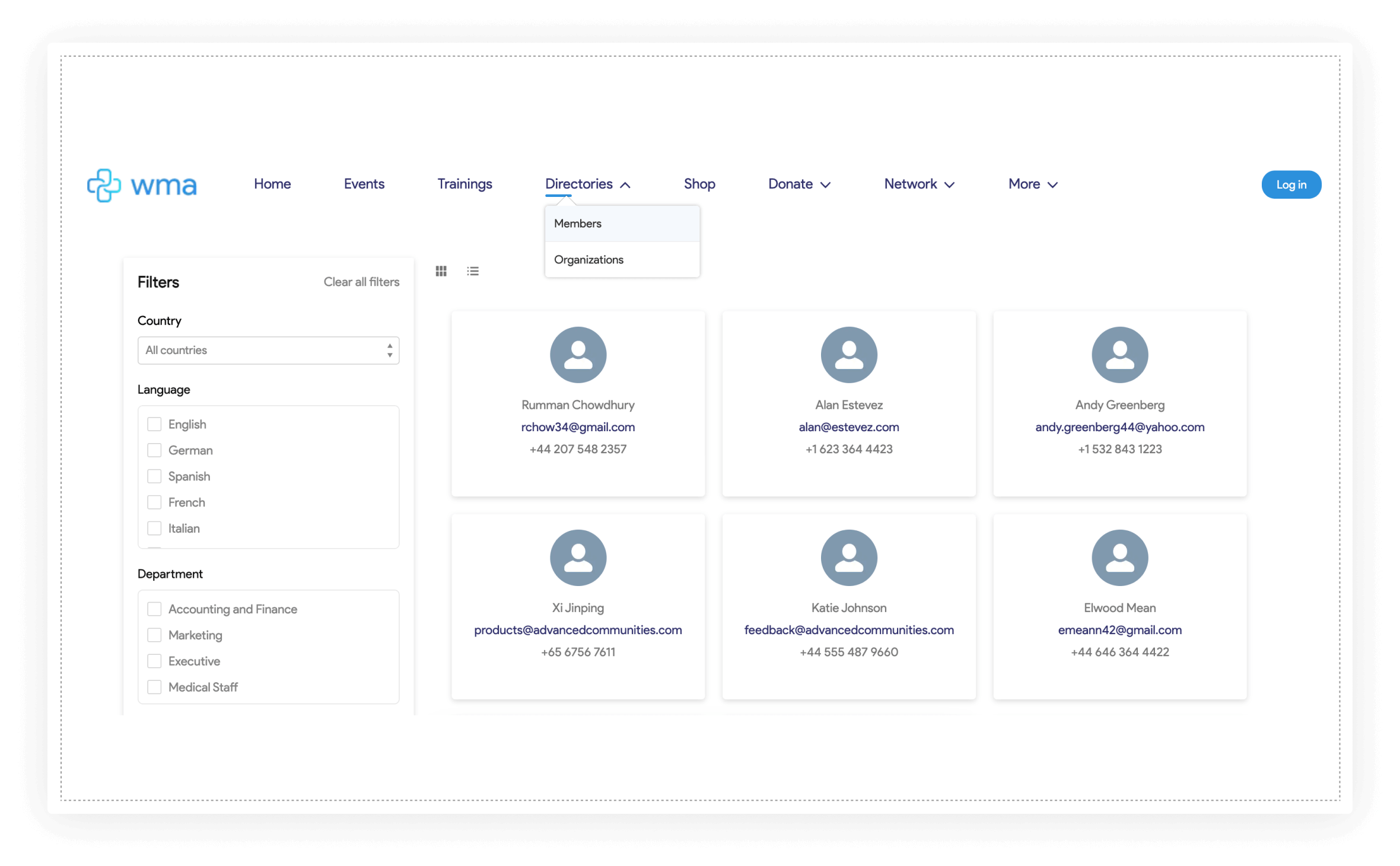
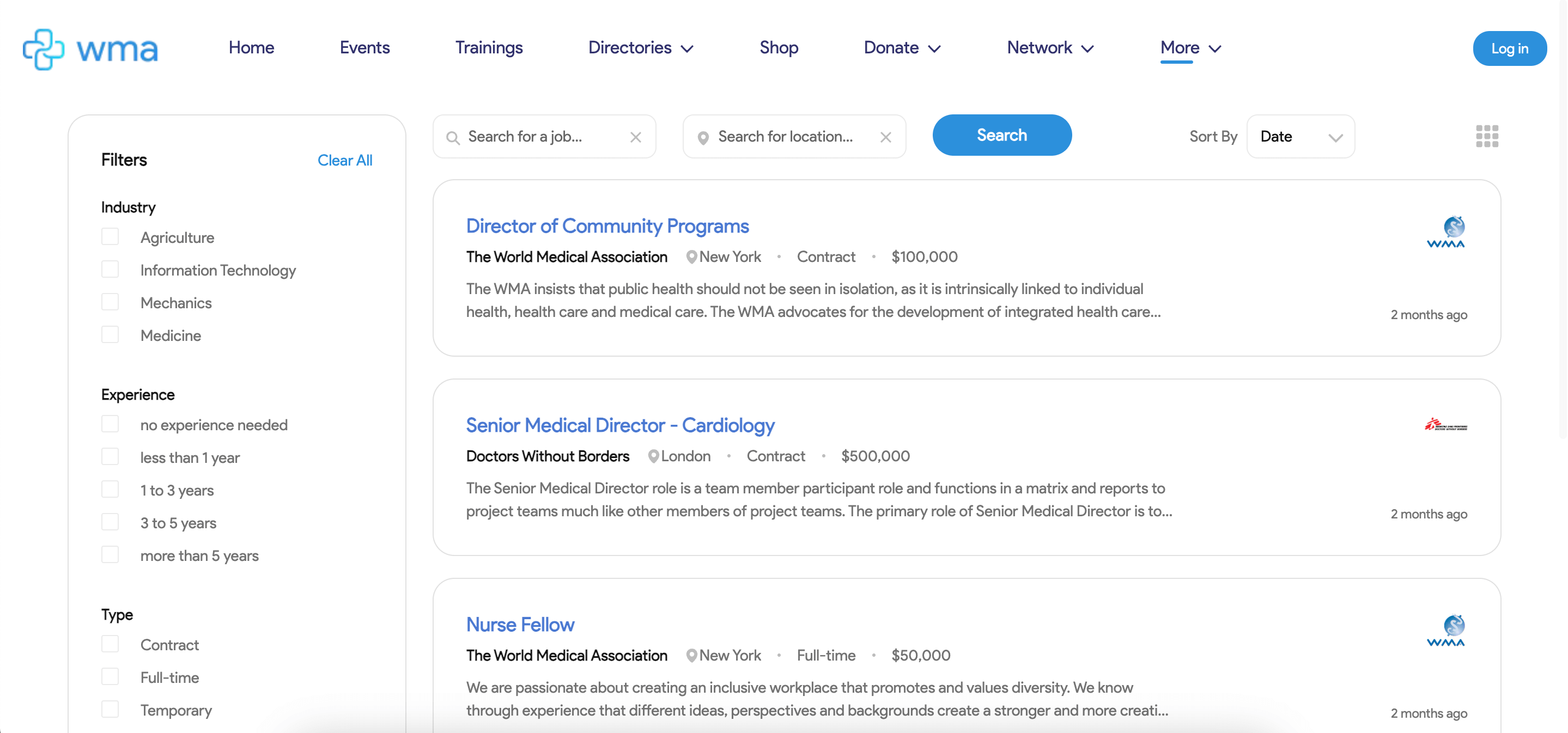
In the Salesforce ecosystem, AC MemberSmart by Advanced Communities covers all of these components natively. Rather than patching together multiple tools, you get one cohesive member experience, from a rich member directory and job board to event management, payment processing, and automated renewals. This allows you to easily use Salesforce for membership management while keeping everything in one place.
AC MemberSmart
See product details2. Develop a Member-Based Culture
Think of the member centricity as of a culture you build in your Salesforce association. That means every team member, from your community manager to your executive director, thinks about the member experience in their daily decisions.
Ask yourself: What do you want to be known for? Outstanding customer service? An engaged, knowledgeable community? A frictionless member journey? Once you define your “north star,” translate it into operational standards. Here’s a practical cheat sheet:
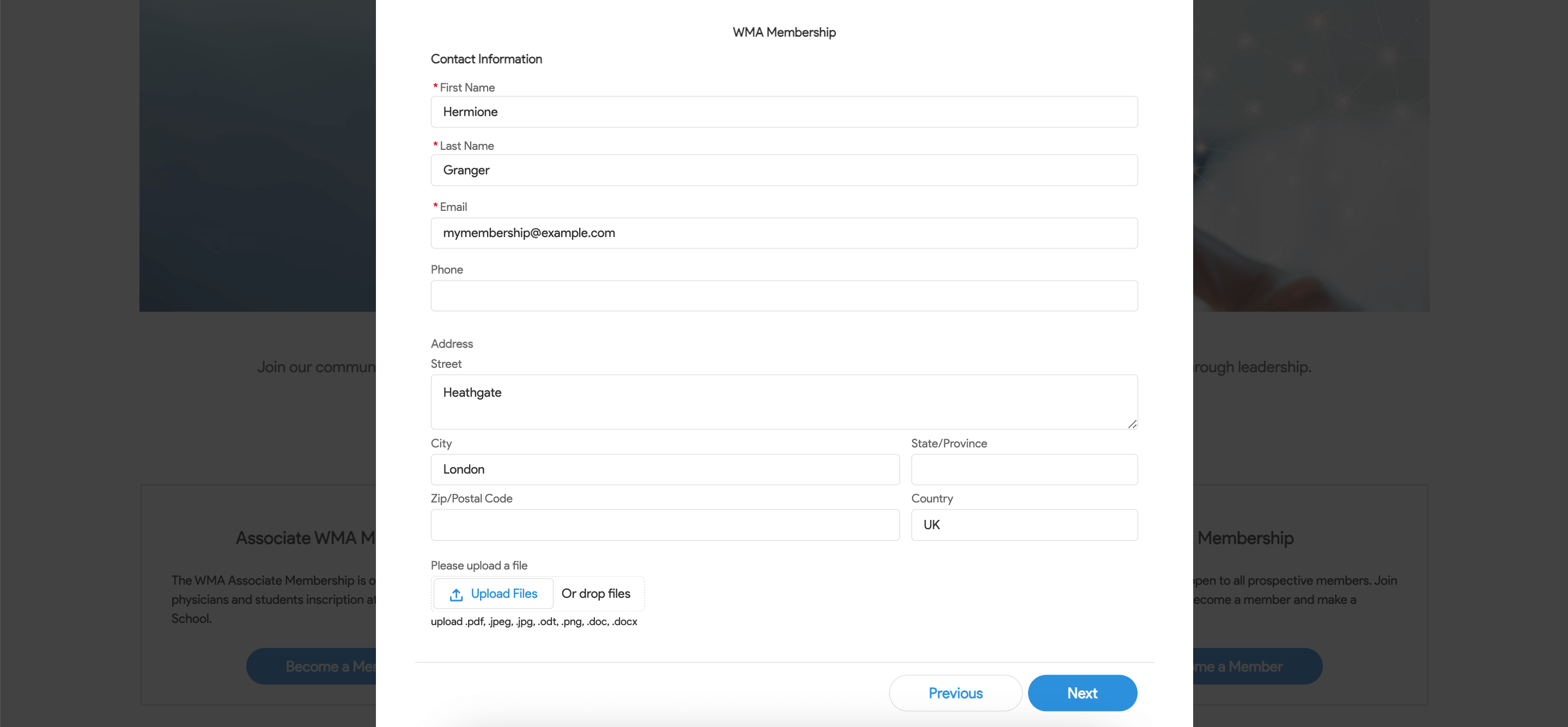
- Make it easy for new members to join your association: once they land on your website, put a clear CTA in front of them, with straightforward copy. This is the first thing they will notice and the most important one. Plus, your membership structure should consist of a clutter-free form. As an example, here is how a membership flow is built with the AC MemberSmart solution – a Salesforce native app:
- Put a premium on a member-focused onboarding: do not forget to thank newcomers for coming on board. Send them a thank you letter, provide them with a quick list of expectations they get with your association, and guide them through membership benefits. This is the perfect chance to invite members to your online community or any other themed forum.
- Encourage members to submit their honest ideas: members’ feedback can tell you a lot. Your audience is the source for improvement so make it count. Constantly solicit and act on the feedback they provide you with – this will help you shape a culture of continuous feedback. If you have trouble collecting and managing member feedback, consider AC Ideas Ultimate as a great tool for that. Our LEX-native solution helps you gather, manage, and prioritize ideas flooding your organization.
AC Ideas Ultimate
See product details3. Segment Members Properly
As the saying goes, you can’t make everyone happy. With proper member segmentation, you sure can! To provide a meaningful member experience and satisfaction, you should clearly understand which message you communicate to which group of users. Your audience may have completely opposite interests, hobbies, occupations, and behavior. So how could you shape a personalized member journey for each of them?
Member segments are the answer. They help you see if you produce relevant content and communication for them. With different member segments, you can sort customer data according to versatile factors:
- Tenure: new vs. long-term members
- Demographics: role, industry, location, age
- Join date and renewal date
- Product or service preferences within your association
- Content engagement: newsletters, webinars, events attended
- Milestones: anniversaries, certifications, achievements
- Behavioral data: login frequency, community activity, donation history
To give you a head start to fetch data and segment members, here are four main member segments that could make this activity more targeted:
- New members – send them a welcome email to show them the ropes of your organization. Choose a personalized path to wow them.
- Prospective members – you can invite them to any event (online, offline, hybrid) your association is organizing. Thus, they can mingle with the crowd, dive deeper into your company’s specifics, and understand what they might be missing out on.
- Long-term members – member engagement shouldn’t be limited only to new customers in your association. Brand advocates want to feel valued, too! Recognize their contribution, add their testimonials to your homepage, and enable members to have a say via surveys and polls. This is what I call a strong member perspective!
- Churned members – it’s hard, but sooner or later, you’ll have people who decide to part ways with your business. It’s OK! The most important thing now is to win them back. Send them a regular newsletter with updates, offer them to rejoin your membership program, and rethink communication with them.
Membership Management Challenges: Solutions for Associations

4. Build Your Membership Structure
Even the best strategy falls flat if your membership levels are confusing. Members should be able to instantly understand what they get at each tier, what it costs, and how to upgrade or renew.
Most membership organizations work with some combination of these levels:
- Free
- Paid
- Free with donations
- Paid with donations
- Group/bundle
Whatever structure you choose, make sure each level clearly communicates: specific benefits (not vague promises), transparent dues, and renewal terms. A well-designed membership structure reduces friction, sets expectations, and makes it easier for members to self-select the right plan, which in turn reduces churn.
5. Sacrifice Sales for the Sake of Your Members
As ugly as it may sound, you shouldn’t think of sales first. When leadership obsesses over quarterly targets and pipeline metrics, member success quietly erodes. Members can feel when they’re being sold to rather than served.
What you should do instead?
As a CEO, an association executive, or a manager, you need to think about a loyal customer base. Members expect the best possible experience from you, not your profit margins. Just try to shift focus from sales pitches and meetings to exceptional service or a new event program you’ve always wanted to present to your staff and association members. It’s these things people will talk about later on.
Bonus: Self-Test for Member Centricity
Now that we talked the talk, it’s time for a self-check. Grab a sheet of paper or tick off your fingers if:
- Member-centricity is woven into your association’s culture.
- You track and measure member success throughout their journey (onboarding, engagement, renewal).
- You have clear member segments and communicate differently to each one.
- Your membership structure and benefits are transparent and easy to understand.
- You collect member feedback regularly and act on it visibly.
- Your technology stack (CRM, member portal, community tools) supports a seamless member experience.
Didn’t tick all six? That’s completely normal. Pick one or two gaps and commit to addressing them in the next 30 days. Small, consistent improvements compound into an organization that is genuinely focused on its members over time.
Final Thoughts
To recap, being member-centric means you should REALLY know your audience. For that, segmentation is key. Try to shape your member personas and build effective member communications for a more member-focused approach.
If you would like to boost your organizational growth with some accelerators, reach out to Advanced Communities. We can not only help you put your members in the frontline but also improve user experience a hundredfold.
FAQ
1. What are member-centric goals?
Member-centric goals are focused on delivering the best experiences to members at every step of their journey. However, there isn’t a one-size-fits-all approach. It hinges on who your audience is and business objectives. For instance, if you’re an organization that usually helps members troubleshoot issues with onboarding, payments, donations, etc, you might want to put emphasis on customer service.
2. What is a member-driven organization?
A member-driven organization puts its members’ needs first. An organization must clearly understand its member profile and adopt all the tools needed to measure member satisfaction and behavior. Besides, an association that is truly focused on its members personalizes its communication, from new members onboarding to follow-ups and even taking care of churned members.
3. What is an example of a membership organization?
Great examples of a membership organization that considers themselves member-centric are Amazon Prime, Costco, American Heart Association, American Red Cross, and UNICEF. Each tailors benefits and communication to their members’ needs, maintains a strong community identity, and continuously refines the member experience based on feedback and data.